Many factors come into play if you have been trying to have a baby. Its all about timing and the change in lifestyle. However, there are a few types of food 1that actually help to boost your fertility and increase your chances of conceiving. We find the top 6 for you.
Green leafy vegetables – This is actually the best food for anyone regardless if you are trying to conceive. But if you are trying to have a baby, then you should take lots of spinach as it is rich with antioxidants and folic acid which is a common mineral prescribed by the doctors.
Sweet potatoes and carrots – This is most suitable for those who have irregular menstrual cycles. The beta carotene in the veges help to regulate your menstrual flow which plays an important part in fertility within the body.
Dairy products – Those that are rich in amino acid like fish and lean animal proteins will boost your FSH and LH fertility hormones.
Whole bread – Its time to change to the whole grain bread and tortillas as they will supply your body with vitamin B and iron which are essential for enhancing your hormones.
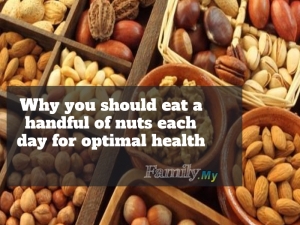
Nuts and Beans – Ensure that you are taking enough Omega 3 Fatty Acids. This can be found in many types of fish oil while you should be taking more almonds or walnuts as well.
Soy products – Replace your diet with soy products like tofu and soya bean as it can help to regulate your weight. If you want to get pregnant, you need to get your body ready in terms of weight and balance. This is a good way to start.
Key Nutrients for Increasing Fertility
Fatty Acids – When you are trying to conceive, it is very crucial that you have a lot of EFA. Particularly Omega 3 fats, this nutrient helps your body to maintain the balanced production of prostaglandins, a type of hormone-like substances while aiding in the flowing of blood to your reproductive organs. As a result, it helps to promote ovulation and increases cervical mucus.
Recommended Dosage – You should take 1 tablespoon of fish oil daily.
Vitamin B12 – Did you know that if your body lacks Vitamin 12, your body finds it difficult to conceive? This is because the nutrient helps to balance your hormones which is important for the formation of cells. Besides that, it helps your body to absorb nutrients and in digestion as well.
Vitamin B12 deficiency is linked to inability to ovulate and could affect the implantation of a fertilized egg due to abnormal levels of estrogen. It can cause cervical dysplasia where there are cell abnormalities in the reproductive tracts.
Recommended dosage – Women who are trying to get pregnant should take about 2.6mcg of Vitamin B12 per day. It must be noted that Vitamin B12 cannot be found in plants which means you will have to increase your intake of meats.
Folic Acid – This is a very common nutrient your body needs and is often prescribed by your gynaecologist if you are trying to conceive. Folic Acid helps to prevent defects in the neural tubes and congenital heart as well as other defects like cleft lips and limbs. If your body is lacking in folic acid, it can increase your infertility risks.
Recommended Dosage – In most cases, your doctor will prescribe between 600 and 1,200 mcg of this nutrient per day while you should take more spinach, beans, liver and other greens.
Protein – Protein plays a vital role in helping you to conceive. As such, you should be taking protein-rich food with amino acids.
Recommended Dosage – You should be taking 25% more protein than your usual dosage.
References:
http://www.webmd.com/infertility-and-reproduction/guide/female-infertility
http://americanpregnancy.org/pregnancy-health/omega-3-fatty-acids-faqs/
https://www.womensinternational.com/connections/vitaminb12.html